Welcome to Japanese Nepali Laboratory
Thank you for using Japanese Nepali laboratory jpnplab.com "Exploring Japanese Language and Culture" is website for learning Japanese language and culture necessary for daily life in Japan. Learn anytime, anywhere, at your pace. Let's get started!
Index
Introduction to Kanji
The history of Kanji is originated with oracle bones such as wrtten turtle bone script in ancient China during the Shang Dynasty, approximately 3,300 years ago. Oracle bones script is a form of writing used to record divination results, often featuring pictorial representations of people, animals, and natural objects. Then after, during the Zhou Dynasty, it developed into bronze inscriptions cast onto iron tools and bronze mirrors, and then used for official documents and seals, used for stone monuments and coins, etc. Changing shape with time, it evolved into the current form of Kanji.
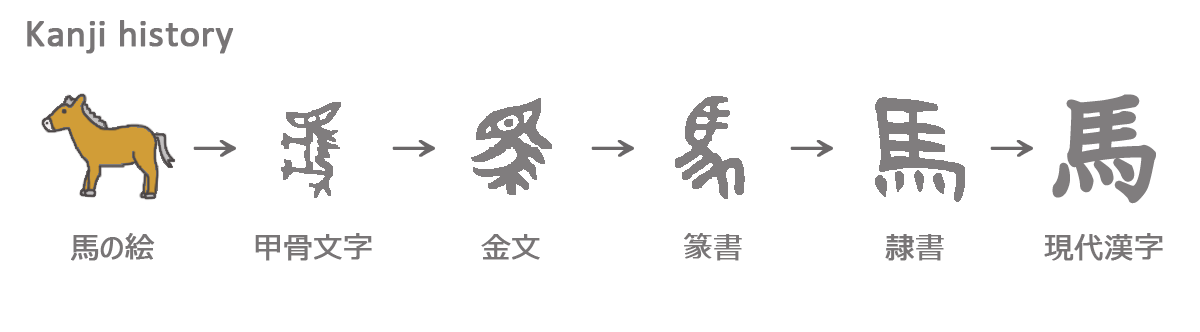
In Japan, around the 1st century an emperor of the Han Dynasty of China bestowed gift a gold seal recognizing formal diplomatic relations with Japan, and this is presumed to be the oldest Chinese Kanji transmitted to Japan. Then, Chinese Kanji and literature, tome, coins etc. were introduced to Japan, and from the early 5th century, the use of Knaji began in earnest in Japan. Until then in Japan, absence a writing system, kanji became an indispensable means for record keeping and communication, spreading rapidly.
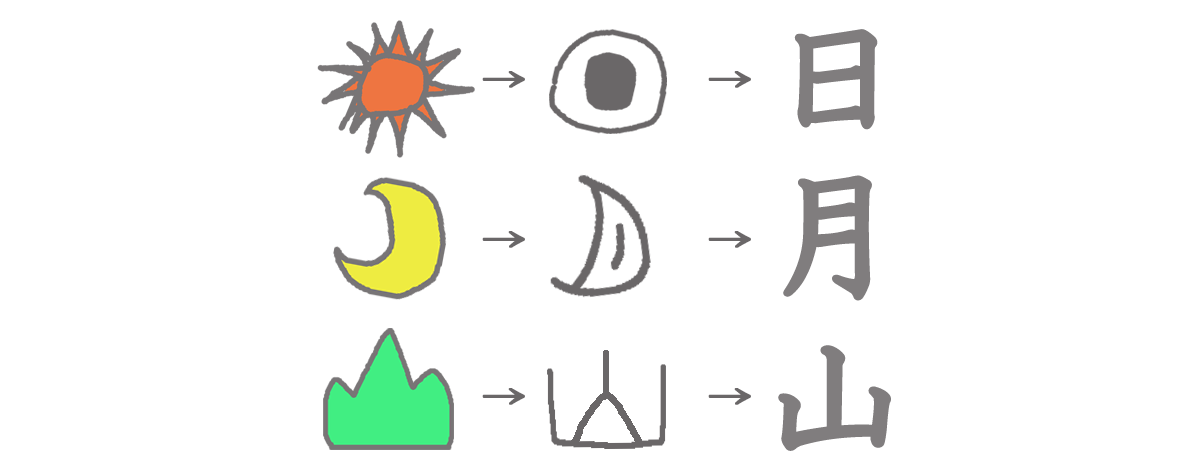
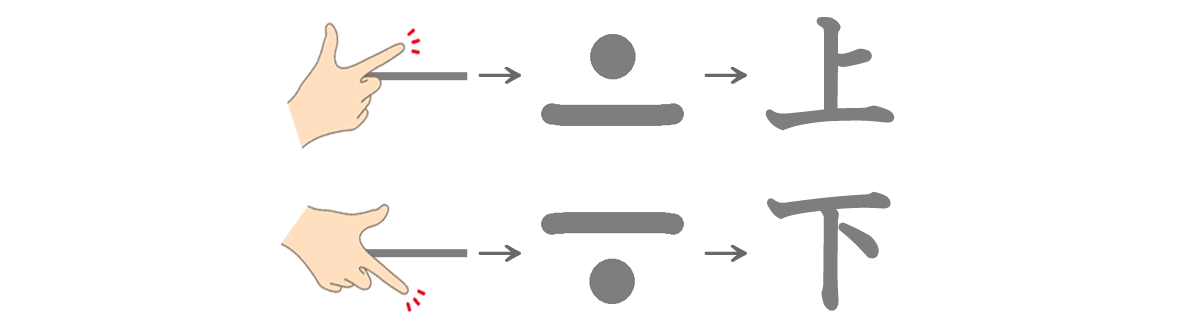
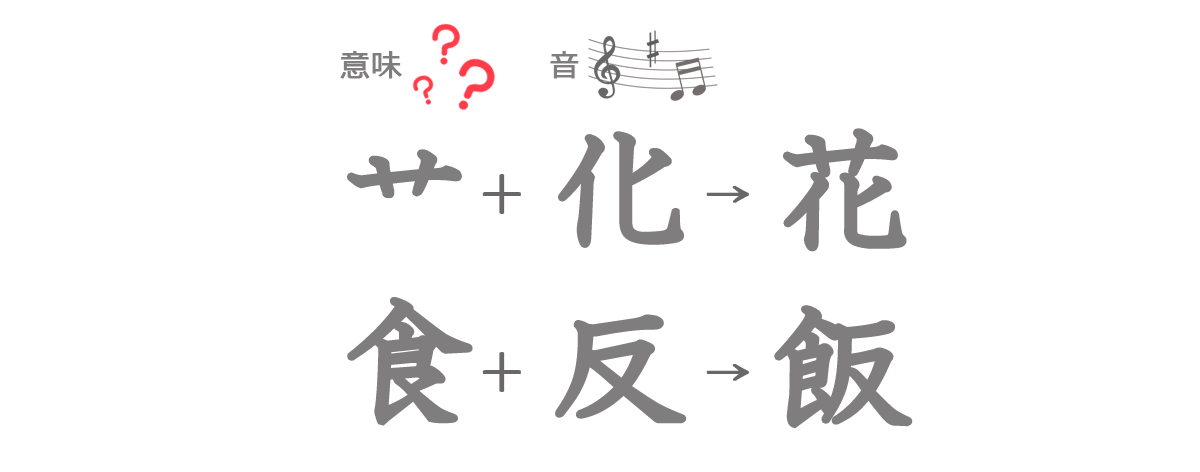
The Kanji used in Japan mainly categorized into 4 types and 2 readings. Understanding the roots of kanji provides important keys to how they were created and what meanings they hold. let's look at specific features.
4 Types of Kanji

2 Readings of Kanji
Aspect of Onyomi and Kunyomi
Onyomi is when written by Hiragana, it will be below 3 characters. In addition, if 3 characters the middle character will be small character ya yu yo (eg. 客=kyaku / 休=kyuu / 小=syou) If 3 or more characters and not contains small letters in the middle, it will be judgment as a kunyomi. For more information about Kanji is here, introduction to advanced Japanese Kanji.
Next, introduction to Hiragana